Il est plus que jamais question de durabilité dans la construction d’eau réseau AEP, que ce soit par sa durée de vie, mais aussi pas la conception des différents composants.
Question durabilité des réseaux AEP, Elydan se positionne comme une entreprise fournissant des tuyaux parfaitement adaptés pour répondre à ces enjeux. Nous vous le démontrons à travers cet article, construit avec M. Marc PALOMARES, Directeur Technique et Innovation Elydan.
SOMMAIRE
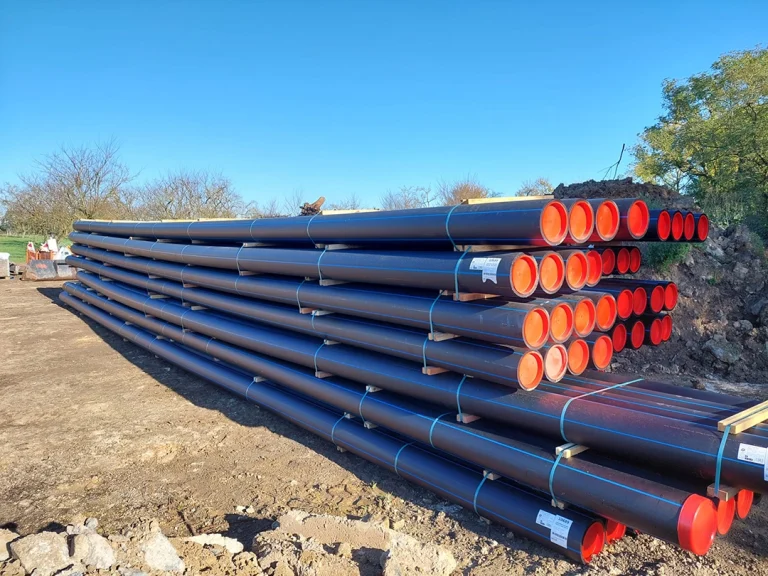
Le PE100 RCD est un matériau de nouvelle génération, qui combine tous les avantages du Polyéthylène PE100 RC et du PE100 RD.
Concrètement, notre TEC 1 RCD AEP présente une très forte résistance à des conditions sévères en termes de désinfection (haute concentration en chlore, dioxyde de chlore, etc.) et de température élevées (RD). Également, le PE100 RCD propose une très haute résistance à la propagation lente de fissures, et autorise la réutilisation des matériaux en place pour le remblayage des tranchées – sans enrobage de sable (RC)
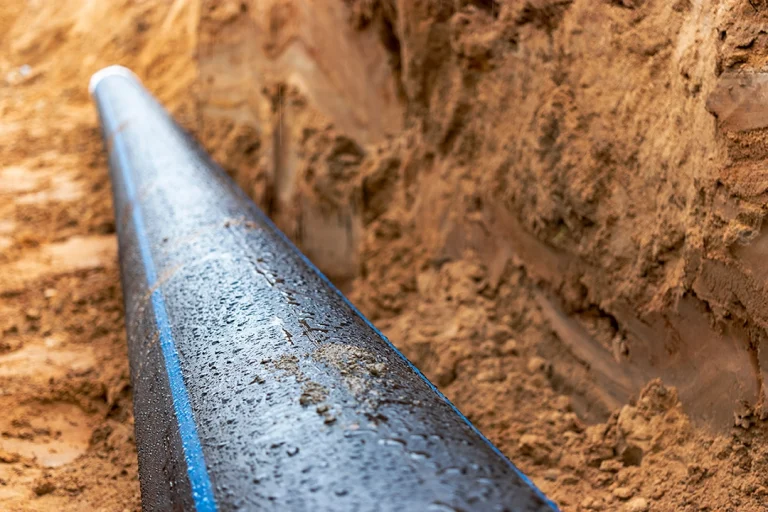
Les tuyaux peuvent réagir avec certains produits chimiques transportés, ce qui peut compromettre leur intégrité structurelle à terme ou réduire leur durée de vie.
Les réseaux Polyéthylène PE100 RCD sont insensibles à une très grande quantité de produits chimiques, leur conférant ainsi une grande durabilité notamment pour les applications industrielles.
Cette capacité du PE permet à nos produits
💠 une durabilité accrue
💠 un entretien réduit
💠 une sécurité améliorée
💠 une flexibilité d’installation.
Installer des canalisations en Polyéthylène, c’est faire le choix de la tranquillité d’esprit.
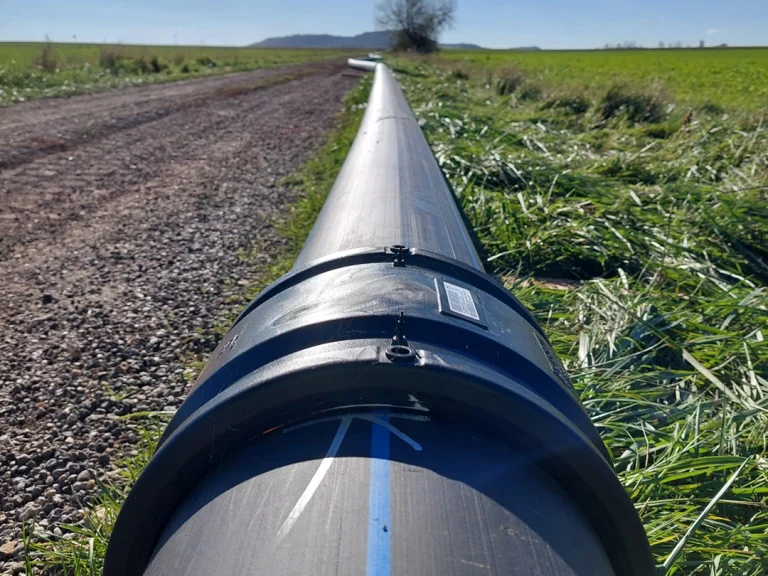
Les tubes en PE100 RCD offrent des avantages significatifs en termes de résistance aux fissurations lentes par rapport aux matériaux traditionnels. Le PE100 RCD présente une excellente résistance à la propagation des fissures sous contrainte, ce qui prolonge considérablement la durée de vie des systèmes de canalisations.
Les tubes en PE absorbent et dissipent les forces, réduisant ainsi le risque de fissuration.
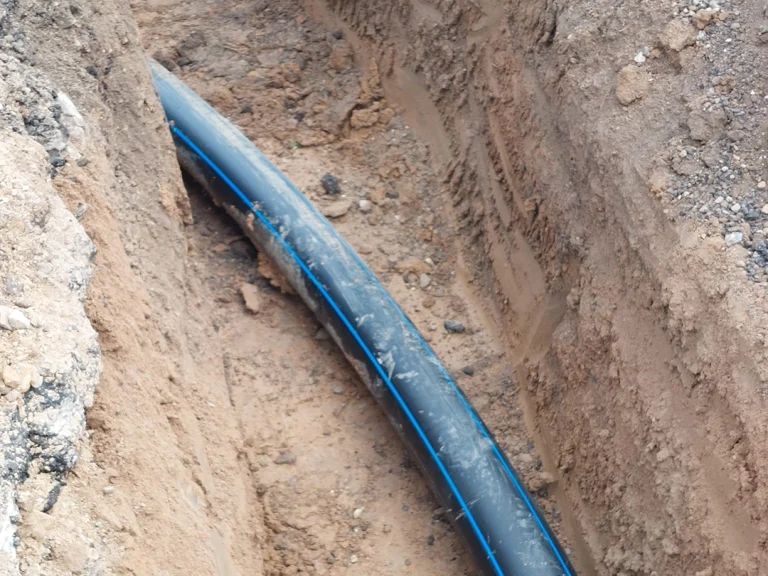
Autre avantage important, sa grande résistance mécanique permet à nos tuyaux en PE1 RCD d’être recouverts par du tout-venant. Ce qui constitue un gain de temps et un gain économique.
Ainsi, cette résilience se traduit par une réduction des coûts de maintenance et des interruptions de service, rendant les tubes en PE particulièrement adaptés aux applications industrielles et aux infrastructures où la fiabilité à long terme est cruciale.
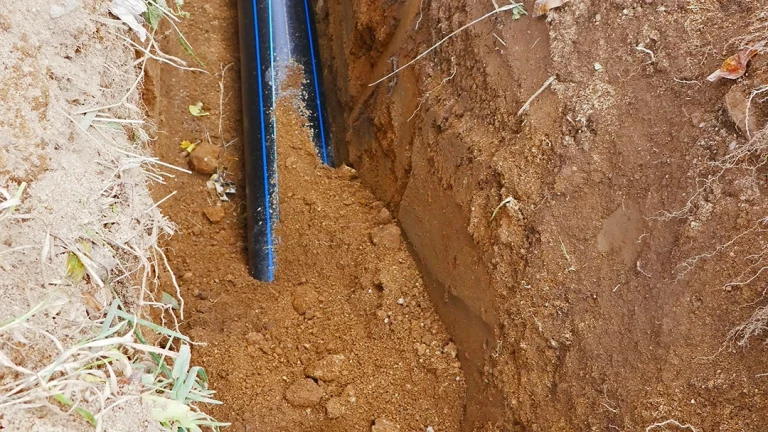
De par la présence de joints, les raccordements mécaniques peuvent devenir un point faible, notamment lors de mouvements de terrain, de conditions de pose inadéquates ou de conditions d’exploitation (coup de bélier), conduisant alors à des fuites. Des conditions très communes.
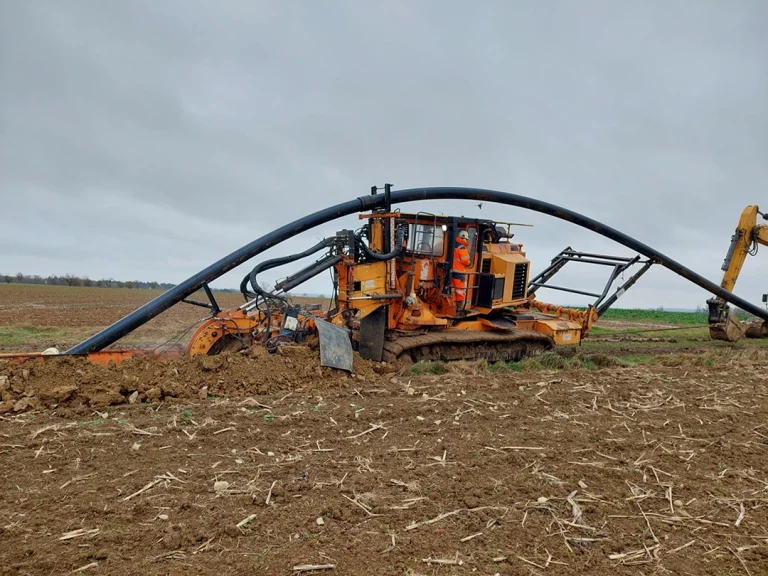
Les réseaux Polyéthylène PE100 RCD se soudent par électrofusion ou au miroir ; déployés en grandes longueurs ou en barres, ils réduisent ainsi à zéro le risque de fuite à chaque raccordement.
Les réseaux de canalisations en PE sont un choix réduisant grandement le risque de fuites à long terme.
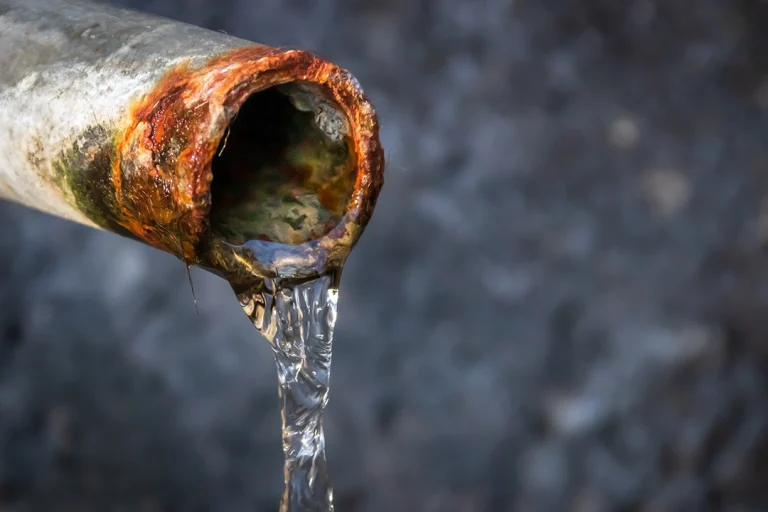
Il s’agit l’un des problèmes les plus courants affectant les tuyaux des réseaux d’eau potable.
⬇️La corrosion peut être interne, causée par l’eau ;
⬆️ou externe, due à l’humidité et à l’acidité des sols.
La corrosion entraîne inévitablement des fuites ou des ruptures.
Les réseaux Polyéthylène PE100 RCD sont incorrodables et durables, pendant plus de 100 ans.
Bannissez le risque de fuite lié à la corrosion avec le PE100 Elydan
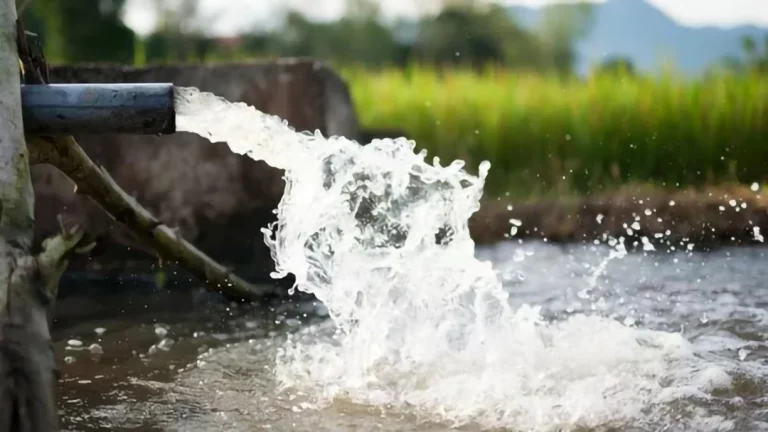
Au fil du temps, les minéraux et autres substances présentes dans l’eau peuvent s’accumuler à l’intérieur des tuyaux, réduisant ainsi leur capacité de débit. Cela peut également affecter la qualité de l’eau au fil du temps.
Les réseaux Polyéthylène PE100 RCD sont parfaitement lisses à l’intérieur, sans revêtement, et permettent ainsi de limiter les dépôts et d’assurer le bon débit grâce à des pertes de charge maitrisées tout au long de leur vie.
En choisissant les tubes en Polyéthylène PE100 TEC 1 RCD AEP, vous optez pour une solution fiable et durable, garantissant un débit optimal et une résistance chimique exceptionnelle, même dans des environnements exigeants.
Les mouvements de sols produits par les phénomènes sismiques, mais aussi par des phénomènes climatiques et météorologiques de plus en plus intenses, peuvent nuire à la pérennité des installations souterraines. Heureusement, les réseaux en PE sont adaptés à ces changements.
48 % du territoire hexagonal est situé en zone d’exposition moyenne ou forte au retrait gonflement des argiles (georisques.gouv.fr). Les tuyaux rigides peuvent être endommagés par les mouvements du sol, malgré leur ductilité relative. Un des nombreux points forts des réseaux en PE se situe dans leur flexibilité.
Sécheresses, gels et dégels des sols, retraits et gonflements à cause de flux d’eau, sont d’autant de phénomènes qui n’inquiètent pas les réseaux de canalisation en PE.
Les réseaux Polyéthylène PE100 RCD sont flexibles et robustes, ce qui leur donne une très grande force de résistance et d’adaptation même dans des conditions extrêmes, notamment en zones à forte sismicité.
Les canalisations en polyéthylène PE100 se distinguent par leur capacité à absorber des déformations importantes sans subir de dommages structurels.
Les nombreux retours d’expérience sur les réseaux gaz suite à des tremblements de terre le prouve (Kobé – Japon, Armenia – Colombie, L’Alquila – Italie, …).
Des contraintes budgétaires s’imposent aujourd’hui aux collectivités qui ont cependant besoin de continuer à investir pour maintenir le service de l’eau aux usagers.
Les réseaux Polyéthylène PE100 RCD sont une solution bien plus économique par rapport aux matériaux traditionnels en termes d’investissement, et l’exploitation est également bien moins coûteuse que les anciens réseaux, notamment grâce à la diminution des pertes de charges et donc grâce aux économies d’énergie induites de l’ordre de 15%.
Plus besoin de butées béton ni de joints de verrouillage, de sable pour le remblai, ou de protection cathodiques ; le gain financier est réel et immédiat.
D’un point de vue logistique et environnemental, le PE est également un vrai allié : Plus léger, et surtout plus souple, le conditionnement en barres de 18m, en couronnes et en tourets permet de charger beaucoup plus de linéaire par camion.
Le PE100 RCD, ce matériau du XXIe siècle est le meilleur choix pour des installations économiques et durables.