Présentation du projet HYDRO1000 En Côte d’Ivoire, l’accès à l’eau potable est encore un défi majeur pour les populations rurales. Le projet Hydro1000, réalisé à l’automne 2025 en Côte d’Ivoire, a pour

Les PFAS (per- et polyfluoroalkylées substances) sont une grande famille de composés chimiques synthétiques contenant une liaison carbone-fluor particulièrement résistance. C’est pour cette raison que les PFAS sont aussi connus sous le nom de « polluants éternels ».
Cette molécule est fabriquée depuis 1950 pour ses propriétés antiadhésives, imperméabilisantes et résistantes aux hautes températures. C’est pour cette raison qu’elle se retrouve couramment un large éventail
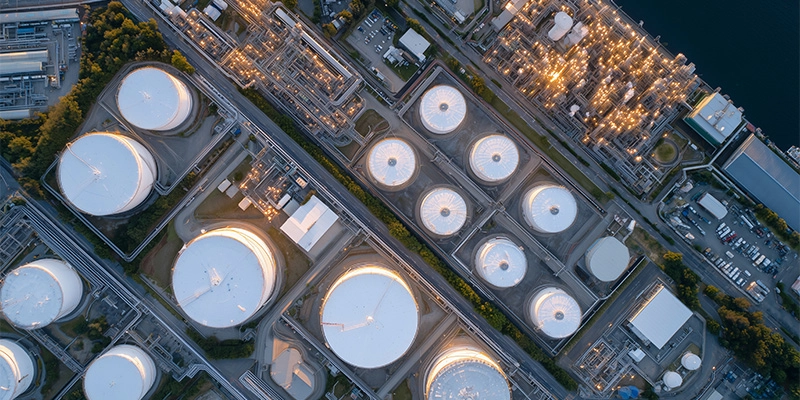
Les PFAS se trouvent dans de très nombreux milieux à cause de leur large utilisation industrielle et leur extrême persistance. En France, les principales sources et lieux de présence des PFAS sont :
Industries chimiques, secteur de la plasturgie, productions de peintures, de vernis, de textiles imperméabilisés et de produits électroniques utilisent ou rejettent régulièrement des PFAS. Les bases militaires et les aéroports sont aussi des potentiels points de contamination importants, du fait qu’ils utilisent des mousses anti-incendie contenant des PFAS.
Les PFAS présents dans divers produits de consommation courante (cosmétiques, imperméabilisants, emballages alimentaires, produits ménagers, etc.) finissent par être rejetés dans les eaux usées, qui peuvent contaminer les cours d’eau.
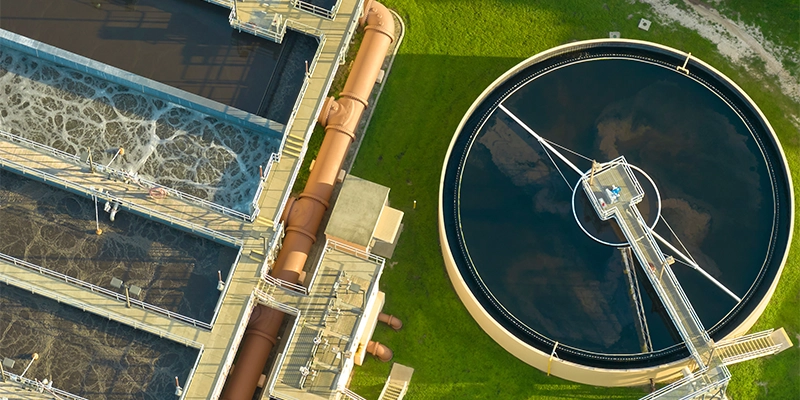
Les PFAS sont fréquemment détectés dans l’eau destinée à la consommation humaine, lorsque l’eau est captée à proximité de sources de pollution identifiées (rejets industriels, stations d’épuration). Cela concerne donc également l’eau vendue en bouteilles.

Les produits de la mer, les œufs et les viandes sont les principaux aliments concernés par une exposition aux PFAS. Cette présence de polluants éternels s’explique par la bioaccumulation dans la chaîne alimentaire, avec pour exemple les poissons carnivores se nourrissant eux-mêmes de nombreux autres plus petits poissons déjà contaminés. Certains emballages alimentaires sont également identifiés comme contenant des PFAS.

La forte stabilité et la volatilité des PFAS rend possible leur présence dans l’air ambiant (extérieur et intérieur), les sols, les sédiments et la poussière domestique là où des sources de contamination existent.
Les canalisations en PE fabriqués par Elydan testés en laboratoire ne contiennent pas de PFAS.
Pour obtenir cette analyse, Elydan a missionné un laboratoire indépendant, WESSLING France, afin d’analyser si des traces de polluants éternels sont détectées. Sur le banc d’essai, 3 de nos produits phares : TEC 1, (ex Prolinear RCD), Polybleu PE100, Tube Gaz PE100.
Le résultat négatif conforte la position du groupe sur sa volonté de fournir des produits conformes aux attentes, sains et durables, qui n’ont pas d’impact sur la santé.
Nos canalisations en PE sont ainsi une solution sereine pour les installations d’eau potable ou de gaz.
La qualité est au cœur de nos préoccupations, et les attentes de nos clients le sont tout autant. Nous apportons une vigilance particulière aux fournisseurs avec qui nous travaillons afin de fournir des produits alignés avec les enjeux actuels et futurs.
Dans une démarche à long terme d’amélioration continue, de transparence et de confiance, Elydan confirme ses engagements envers ses clients et partenaires.
Depuis janvier 2023, la réglementation européenne, dans une directive concernant l’eau potable, encadre strictement la quantité de certains PFAS dans l’eau destinée à la consommation humaine. La limite se situe à 0,1µg/L pour la somme de 20 PFAS ciblés, 0,5µg/L pour l’ensemble des PFAS mesurables (source : ANSES) .
En février 2025, la France a adopté une loi spécifique qui prévoit d’interdire progressivement certains produits contenant des PFAS (comme les cosmétiques, vêtements, chaussures ou farts de ski) à partir du 1er janvier 2026, puis à horizon 2030 l’interdiction à tous les textiles hors exceptions spécifiques.
Concernant l’eau potable, une surveillance va se déployer à l’ensemble du territoire français dès 2026 coordonnée par plusieurs ministères ainsi que le BRGM.
Une publication des données sera rendue obligatoire, avec sanctions en cas de manquement ou de signes de pollutions aux PFAS.
Pour constater une pollution aux PFAS, les autorités prélèvent un échantillon d’eau, et recherchent un total de 34 substances. Pour respecter le cadre établi, la concentration cumulée en PFAS doit être inférieure à 0,1 µg/L, en sortie de robinet dans les foyers français.
Trouver des solutions au problème des PFAS nécessite de surveiller leur présence dans l’environnement. Cela implique de surveiller non seulement quelques composés identifiés, à ce jour 34, mais potentiellement des millions de molécules différentes, issues à la fois de leur production industrielle et de leur dégradation dans l’environnement, ce qui peut conduire à la formation de nouveaux PFAS.
Certaines études, comme le projet PROMISCES coordonné par le BRGM, utilisent des méthodes numériques pour prédire les propriétés physicochimiques et toxicologiques des PFAS.
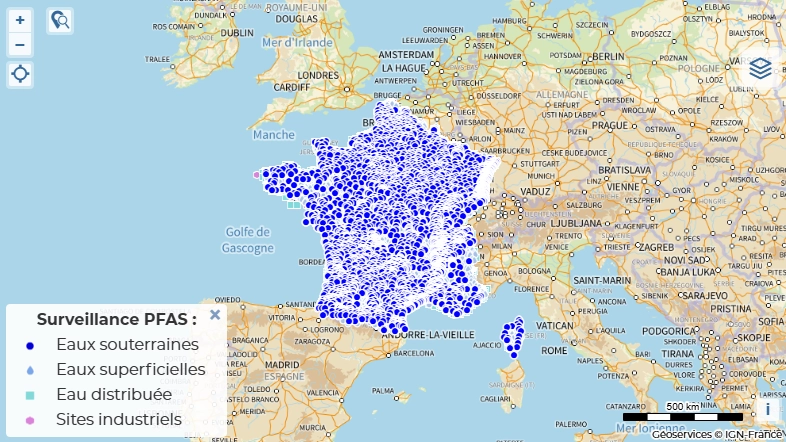
Fin juillet 2025, le BRGM, en étroite collaboration avec le Ministère de la Transition Écologique, a mis en place une carte de la France métropolitaine permettant de visualiser plus de 2,3 millions de points d’analyse de l’eau, en rapport avec des stations de traitement de l’eau, sites industriels, eaux de surfaces et eaux souterraines.
La carte s’appuie sur des bases de données nationales (SISE‑Eaux, ADES, Naïades, GIDAF) et compile des données depuis 2016.
Les données disponibles concernant les deux sites industriels du Groupe Elydan potentiellement concernés (à Saint-Etienne-de-Saint-Geoirs et à Aubagne) permettent d’établir qu’aucun de nos établissements ne contribuent à la pollution aux PFAS.
Présentation du projet HYDRO1000 En Côte d’Ivoire, l’accès à l’eau potable est encore un défi majeur pour les populations rurales. Le projet Hydro1000, réalisé à l’automne 2025 en Côte d’Ivoire, a pour
Des sondes géothermiques pour le Mémorial National Australien Terrendis fournit 41 sondes géothermiques de 185 mètres de profondeur pour le Mémorial National Australien : un chantier impressionnant dans la Somme. Terrendis, filiale